
How Bruxism Damages Healthy Teeth

A young man experiencing the effects of bruxism in Boulder, COBruxism, or teeth grinding, is a common yet serious condition that can damage your teeth over time. Many people clench or grind their teeth unconsciously, often while sleeping. Without proper intervention, bruxism can lead to severe dental complications, including enamel erosion, tooth fractures, and chronic jaw pain.

If you experience symptoms of bruxism, seeking treatment is essential to prevent long-term damage. Custom mouth guards are the only proven solution to protect your teeth while you sleep. For expert care in Boulder, CO, Dr. Mohelicki provides high-quality, customized treatment to help safeguard your oral health. Learn how bruxism affects your teeth and why prevention is crucial.

Enamel Erosion and Tooth Sensitivity

Your enamel is the protective outer layer of your teeth, but bruxism gradually wears it down. Enamel does not regenerate, so once it is lost, your teeth become vulnerable to decay and sensitivity. As grinding continues, you may experience sharp pain when consuming hot, cold, or sweet foods and drinks.

Without intervention, enamel erosion can lead to more serious issues, such as cavities and increased risk of infection. Preventing further wear with a custom mouth guard can help preserve your enamel and maintain a strong, healthy smile.

Increased Risk of Cracks and Fractures

Bruxism places immense pressure on your teeth, often leading to chips, cracks, or fractures. Even small fractures weaken the tooth structure, making them more susceptible to breaking or requiring extensive dental work, such as crowns or root canals.

Over time, consistent grinding can cause significant damage that may require tooth extractions or costly restorations. A custom mouth guard acts as a protective barrier, reducing the force exerted on your teeth and preventing breakage.

Jaw Pain, TMJ Disorders, and Headaches

Bruxism not only affects your teeth but also puts stress on your jaw muscles and joints. Many individuals with bruxism experience persistent jaw pain, tension headaches, or even temporomandibular joint (TMJ) disorders.

TMJ disorders can cause difficulty chewing, clicking or popping sounds in the jaw, and overall discomfort. Managing bruxism early with a custom mouth guard helps alleviate strain on the jaw and reduces the risk of long-term complications.

Protect Your Smile with Dr. Mohelicki in Boulder, CO

If you suffer from teeth grinding, it is important to take action before significant damage occurs. Custom mouth guards provide the most effective solution to prevent enamel erosion, fractures, and jaw pain.

Dr. Mohelicki offers expert care in Boulder, CO, providing personalized treatment to protect your oral health. To schedule an appointment, contact Dr. Mohelicki at (303) 443-0998 or visit our practice to learn more about available services.

What You Should Know About Preventing Gum Disease

Woman with health gums and teeth free from gum disease in Boulder, COGum disease is a prevalent but preventable oral health condition that can adversely affect your teeth and gums if not addressed. Establishing good preventive habits and receiving professional dental care are key to safeguarding your smile and overall well-being. At Dr. Ania’s practice in Boulder, CO, we emphasize proactive care to keep your gums healthy and strong.

What Causes Gum Disease?

Gum disease develops when bacteria-laden plaque accumulates on your teeth and gums. Over time, this plaque hardens into tartar, which cannot be removed with brushing and flossing alone. If plaque and tartar are not addressed, they can irritate the gums, leading to inflammation and infection.

In its early stage, called gingivitis, gum disease may cause mild symptoms like gum redness, swelling, and bleeding. Without treatment, gingivitis can progress to periodontitis.

Several factors increase your risk of gum disease, including poor oral hygiene, smoking, hormonal changes, certain medications, and underlying health conditions like diabetes.

Practical Tips to Prevent Gum Disease

The good news is that gum disease can often be avoided with consistent care and healthy habits. Here are some steps to reduce your risk:

  • Brush Your Teeth Twice Daily: Use a fluoride toothpaste and a soft-bristled toothbrush to gently clean your teeth and gumline twice a day. This helps remove plaque before it hardens into tartar.
  • Floss Every Day: Flossing cleans areas that brushing cannot reach, such as between the teeth and under the gumline, where plaque tends to accumulate.
  • Visit Your Dentist Regularly: Professional dental cleanings and checkups are essential for removing tartar and monitoring your gum health.

Why Professional Dental Care Matters

While daily habits play a vital role in preventing gum disease, regular visits to your dentist provide an extra layer of protection. At our Boulder practice, Dr. Ania and her team use advanced techniques to clean your teeth and identify early signs of gum disease.

Professional care also gives you personalized advice to enhance your oral hygiene routine. Whether it’s improving your brushing technique or recommending specific products, these tips can make a big difference in maintaining gum health.

Protect Your Smile with Expert Care

Your gums are the foundation of a healthy smile, and protecting them should be a priority. With preventive care and guidance from Dr. Ania, you can enjoy lasting oral health. Call us today at (303) 443-0998 to prioritize your oral health and well-being.

How to Recognize the Early Signs of TMJ Disorder

If you’re experiencing jaw discomfort or other unusual symptoms, it might be due to a TMJ disorder. TMJ stands for temporomandibular joint, which is the part that connects your jaw to your skull.

Recognizing the early signs of TMJ disorders can help you get the treatment you need before the problem worsens and affects your quality of life. Here are some common symptoms to watch out for, and reach out to your dentist for diagnosis.

Common Symptoms of TMJ Disorder

TMJ disorders have many different symptoms. Here are some common ones to look out for:

  • Jaw Pain or Tenderness: If you notice pain or tenderness around your jaw joint or the muscles that control your jaw, this might be a sign of a TMJ disorder.
  • Clicking or Popping Sounds: Sounds when you open or close your mouth, such as clicking or popping, can indicate TMJ issues.
  • Difficulty Moving the Jaw: Trouble opening or closing your mouth or feeling like your jaw is “locked” may relate to TMJ.
  • Headaches: Frequent headaches, especially those that seem to come from the jaw area, can sometimes link to TMJ disorders.
  • Ear Pain or Ringing: TMJ disorders can sometimes cause ear pain. You might also feel a ringing sensation in your ear. This happens even though the problem isn’t actually in your ear.

Causes of TMJ Disorders

The temporomandibular joint (TMJ) works like a hinge with sliding motions. The cartilage covers the bones in this joint and a small cushion (or disk) keeps the movement smooth.

Painful TMJ disorders can happen if:

  • The cushion wears out or shifts out of place
  • Arthritis damages the cartilage in the joint
  • An injury or impact harms the joint

Sometimes, the exact cause of TMJ disorders isn’t clear.

What to Do if You Have Symptoms

If you recognize any of these signs of TMJ disorder, it’s a good idea to see a dental professional. Early diagnosis and treatment can help alleviate your symptoms.

Schedule a TMJ Consultation in Boulder, CO

If you’re experiencing symptoms of a TMJ disorder, don’t wait to get help. Dr. Ania Mohelicki, DDS, can provide a thorough examination to determine if you have TMJ issues and discuss potential treatment options.

Contact us today at 303-443-0998 to schedule your consultation. We’re here to help you find relief and improve your quality of life.

What To Know Now About Oral Cancer

April is Oral Cancer Awareness Month. Contrary to what many people believe, oral cancer is not one singular kind of cancer. Instead, oral cancer refers to any of the cancers that develop on your lips, cheeks, mouth, sinuses, or throat. Like most other cancers, your cells mutate and fail to follow their instructions; instead, they grow and divide uncontrollably. Also, as with most cancers, the exact causes are unknown, some significant risk factors have been identified, and early detection is crucial to successful treatment.
4 Biggest Risk Factors for Developing Oral Cancer

The four most significant risk factors that increase your risk of oral cancer are:

  1. Tobacco Use: Cigarettes, cigars, pipes, and chewing tobacco all significantly increase the risk of oral cancer.
  2. Heavy Alcohol Use: While an occasional drink is insignificant, heavy alcohol consumption is another major oral cancer risk factor.
  3. HPV: Certain types of the human papillomavirus (HPV) increase the risk of oral cancer.
  4. Sun Exposure: Regular exposure to sunlight, especially on your lips, can increase oral cancer risk.

Early Signs of Oral Cancer

What signs should you be looking out for? A few early signs that you should be checked out include:

  • Sores on your lips or mouth that don’t heal after two weeks
  • Bleeding in your mouth that you can’t explain
  • Numbness or pain inside your mouth or on your tongue
  • A lump or thickening in your cheek
  • White or red patches inside your mouth, on your gums, tongue, or tonsils
  • A persistent feeling like you’ve got something caught in your throat

Because time is of the essence in cancer treatment, do not delay getting examined if you notice any of these symptoms. Additionally, having dental exams twice a year is a good way to screen for early signs of oral cancer. Your dentist can examine your face and mouth for any symptoms and recommend further evaluation if they feel it is warranted.

Oral Cancer Treatments

Every cancer has its own treatment plan, depending on the patient’s stage, size, location, and health. With oral cancers, the typical treatments include removing the cancerous cells, radiation therapy, and chemotherapy.

Oral Cancer Prevention

You can reduce your risks by avoiding tobacco products, reducing alcohol consumption, protecting your lips, and avoiding HPV infection through vaccination. Furthermore, you should learn about oral cancer and its various forms to better understand how it may develop or appear. Knowing your own individual risk factors is an important step toward prevention.

Additional Resources

Schedule a Dental Wellness Visit to Screen for Oral Cancer and Other Issues

Dr. Ania Mohelicki is passionate about promoting well-being in every aspect of her practice. You can contact our office in Boulder, CO, at 303-443-0998 or contact us here to schedule an appointment.

As a member of the American Dental Association (ADA), Academy of General Dentistry, International Academy of Oral Medicine and Toxicology ( IAOMT ), and several other prestigious organizations, Dr. Mohelicki is a highly experienced professional who can help you prioritize your oral health with a personalized treatment plan.

Porcelain veneers

The Benefits of Porcelain Veneers

Porcelain veneers offer a range of benefits that have made them a popular cosmetic dental treatment for individuals looking to enhance the appearance of their teeth. These thin, custom-made shells of porcelain are designed to cover the front surface of teeth and provide a natural and aesthetically pleasing result.

Improved Aesthetics

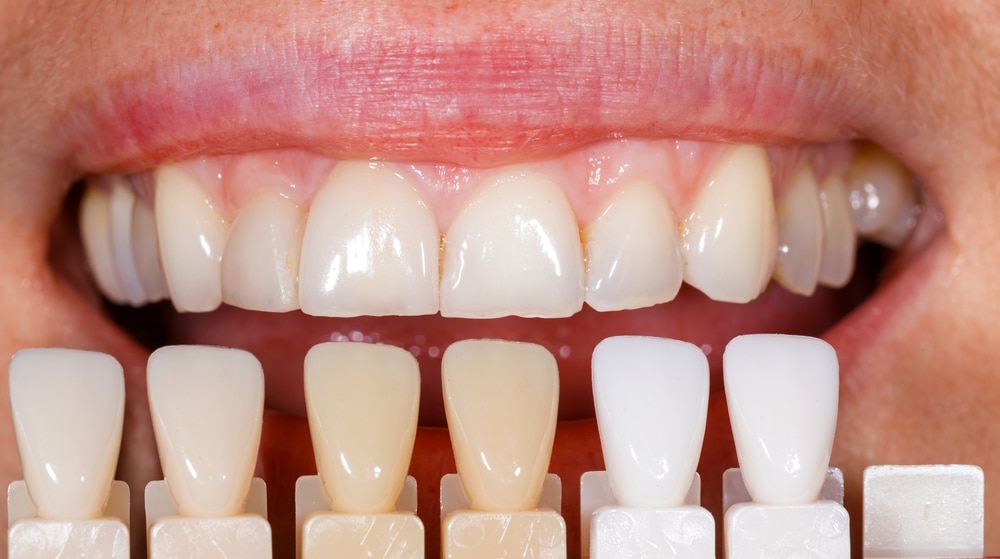
One of the benefits of porcelain veneers is their ability to change the appearance of your smile. They can effectively correct various cosmetic issues such as discolored, stained, or yellowed teeth. Veneers can also address gaps between teeth, minor misalignments, and uneven or worn tooth surfaces, resulting in a more symmetrical and attractive smile.

Natural Appearance

Porcelain veneers are renowned for their natural-looking appearance. The material used closely resembles the translucency and texture of natural tooth enamel. This ensures that when the veneers are properly designed and applied by a skilled dentist, they blend seamlessly with your existing teeth, making it difficult for others to distinguish between veneered and natural teeth.

Stain Resistance

Porcelain is resistant to stains and discoloration. Unlike natural teeth, which can become discolored over time due to factors like coffee, tea, and smoking, porcelain veneers maintain their brightness and whiteness for many years. This stain-resistant quality allows you to enjoy a long-lasting, vibrant smile.

Minimally Invasive

Compared to some other dental treatments, the application of porcelain veneers is relatively minimally invasive. The process typically involves minimal removal of tooth enamel, preserving the majority of your natural tooth structure. This means less discomfort and a quicker recovery time for patients.

Durable

Porcelain veneers are remarkably durable and can last for many years with proper care. They are resistant to chipping and cracking, making them a long-term solution for improving your smile. Routine dental check-ups and good oral hygiene practices can help extend the lifespan of your veneers.

Make an Appointment Today

Porcelain veneers offer many benefits that make them a great option if you’re looking to enhance the appearance of your teeth. Porcelain veneers have become a popular choice for achieving a radiant and confident smile. If veneers are something you’re thinking about, contact the office of Ania Mohelicki, DDS, located in Boulder, CO. Call 303-872-9940 to make an appointment today.

How the MicrO2™ Can Treat Your Sleep Apnea


Sleep Apnea Treatment in Colorado 
Sleep apnea is a potentially serious sleep disorder with various negative effects if left untreated, including increased risk of stroke to potentially fatal outcomes.

If you’ve been recently diagnosed or if you’ve been suffering from excessive fatigue, regardless of how much sleep you get, it’s time to address your obstructive sleep apnea. Here’s what you need to know about the MicrO2™ and how it can help you.

Do You Need Surgery To Treat Sleep Apnea?

Sleep apnea is caused by an obstruction somewhere along your airway passages. Because of the many ways your airways may be obstructed, there are several surgeries you may undergo, from nasal surgeries that remove or shrink the blockages to an uvulopalatopharyngoplasty, which removes part of the palate, tonsils, and uvula.

However, surgery can have complications and variable degrees of success. Studies show a range of surgical success with sleep apnea, ranging from around 50 percent to 83 percent, depending on the surgery and the area of focus.

When it comes to sleep apnea, surgery is not the typical first option. Usually, non-surgical interventions are.

The Non-Surgical Sleep Apnea Treatment: MicrO2

Some obstructions that lead to sleep apnea are caused by your tongue and throat tissues collapsing into your airways. The MicrO2 is custom designed to fit your mouth, offering personalized precision that prevents obstruction and keeps you breathing clearly and sleeping soundly.

Treat Sleep Apnea in Boulder, CO

Sleep apnea can have disastrous effects on your life and health. Don’t delay in finding treatment. Working with a dedicated dentist and oral health team is the ideal way to ensure positive results.

Dr. Ania Mohelicki has been dedicated to serving the people of Boulder, CO, and surrounding areas and bringing them a comfortable, results-driven dental and oral healthcare experience.

Working with Dr. Mohelicki gives you access to impeccable expertise and ability. Dr. Mohelicki is part of numerous organizations, such as the American Dental Association, the American Academy of Cosmetic Dentistry, and the International Academy of Oral Medicine and Toxicology.

Allow Dr. Ania Mohelicki and her team to help treat your sleep apnea. Call 303-872-9940 to schedule an appointment today.

sleep apnea

How to Incredibly Improve Your Sleep Apnea

Do you realize how much of an effect inadequate sleep can have on your health? Sleep Apnea can lead to many life-altering conditions, such as high blood pressure, anxiety, diabetes, and an elevated risk of a stroke. 

From diabetes to liver problems, It’s essential to understand the many risks of sleep apnea, and how to tell if you are a sufferer so you can find out the best solution to improve your sleep apnea.

How to Tell If You Have Sleep Apnea

If you suffer from sleep apnea, there are many common symptoms and signs, including, 

  • Loud snoring
  • Periods where you don’t breathe while sleeping
  • Trying to catch your breath while you sleep
  • Waking up with a dry mouth
  • Waking up with a headache
  • Trouble staying asleep
  • Feeling extra tired during the day
  • Having trouble paying attention throughout the day
  • Feeling irritable

What are the Risks of Sleep Apnea

If you have sleep apnea, it should be taken very seriously as it can cause many risks, including, 

  • Metabolic Syndrome
  • Complications with medicines or surgeries
  • High blood pressure
  • Heart problems
  • Type 2 Diabetes
  • Liver problems


What Can You Do to Improve Sleep Apnea

If you suffer from sleep apnea, you can worry less, knowing that there are options for you to improve your quality of sleep. Dr. Ania Mohelicki offers the Micro O2 to enhance your nighttime snoring and reduce your Obstructive Sleep Apnea. This service is provided for adults, and it works by keeping your lower jaw pushed forward while you sleep to avoid the collapse of your airway from the tongue and throat tissues. 

Micro O2 is great for sleep apnea patients because it is easy to use, smaller than the average bulky CPAP machines, comfortable, easy to adjust, and designed by sleep medicine experts. 

Ready to Finally Treat Your Sleep Apnea?

Dr. Ania Mohelicki is an experienced family and cosmetic dentist in the Boulder, CO, area. To find out how you can improve your sleep apnea or for more information on the MicroO2 sleep machine, call 303-872-9940 to schedule an appointment. 


How Can My Dentist Help Me With Obstructive Sleep Apnea?

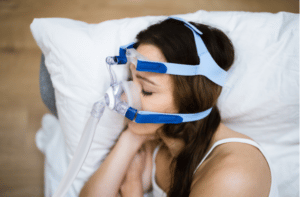
Sleep Apnea Oxygen Mask and CPAP MachineIf you feel as though you are not getting enough sleep every night, even if you’re spending sufficient time in bed, you may be unaware that you are competing against a condition known as obstructive sleep apnea. This sleep disorder, sometimes referred to as OSA, can cause you to cease breathing hundreds of times in one night. This results in insufficient rest to feel energized and focused the following day. Dr. Ania Mohelicki and her team in Boulder, CO, can help you find a reliable and comfortable solution to OSA with sleep apnea dental appliances.

What Is Used To Treat Obstructive Sleep Apnea and Sleep-disordered Breathing?

Most patients who get a diagnosis of OSA will often be told by their primary care physician to use a device called a CPAP machine. This machine is used to keep the airways open throughout the night. However, the mask and machine could be more convenient and comfortable for many individuals, resulting in better treatment compliance. Instead, Dr. Ania Mohelicki may suggest the use of a dental appliance.

How Dental Appliances Work for Treating OSA

Dental appliances are specialized oral devices that fit over the teeth and keep them slightly separated. This creates more space in the airways, so they don’t collapse while sleeping, allowing for better oxygen intake throughout the night. Unlike CPAP machines, dental appliances are small, lightweight, and more comfortable to wear.

Benefits of Using Dental Appliances for OSA

When worn every night during sleep, patients can expect to see improved symptoms as soon as the first week of use. Common benefits include:

  • Improved energy levels throughout the day
  • Improved mental clarity and focus
  • Reduced snoring
  • Fewer episodes of daytime sleepiness and fatigue

Am I a Good Candidate for Oral Appliance Therapy?

If you struggle with using a CPAP machine and are looking for an alternative treatment for OSA or other sleep-disordered breathing conditions, connect with Dr. Ania Mohelicki of Boulder, CO to discuss whether or not you are a proper candidate for oral appliance therapy for sleep apnea. Her office can be reached by calling 303-872-9940 to request a visit.

How To Address the Symptoms of TMJ/TMD

TMJ letters surrounded by human skull with lower jawAt the practice of Dr. Ania Mohelicki, new and current patients of her Boulder, CO, area office will find that she provides a wide range of services for individuals who have oral health concerns. One condition that might be overlooked is that of TMJ/TMD. This condition is present in millions of Americans and has distinct symptoms that make it easy to diagnose and treat.

What Is TMJ/TMD?

TMJ/TMD stands for temporomandibular joint and muscle disorder. It is a condition that affects the jaw, muscles, and ligaments in the head and neck region that control chewing and speaking.

What Are the Symptoms of TMJ/TMD?

Symptoms of TMJ/TMD can vary from mild to severe and may include:

  • Pain or tenderness when moving the jaw
  • Difficulty opening or closing the mouth fully
  • Clicking and/or popping sounds in the jaw joint while talking or eating
  • Headaches and migraines
  • Earaches
  • Limited ability to open the mouth wide (trismus or “lock jaw”)
  • Fatigue in facial muscles after eating or talking
  • Problems with hearing or balance

How Can I Address the Symptoms Of TMJ/TMD?

Treatment options for TMJ/TMD depend on the severity of symptoms but may include the following:

  • Physical therapy
  • Medications such as anti-inflammatories
  • Specialized TMJ/TMD oral appliances
  • Surgery

Which Treatment Is Right for Me?

A diagnosis of TMJ/TMD is the first step in learning more about your condition and the best course of treatment for your needs. Dr. Ania Mohelicki will always start with the most conservative treatment option before moving up to more invasive procedures such as surgery. Some patients can benefit from using a special oral appliance at night to realign the jaw and reduce symptoms that may impact their daily quality of life.

How Do I Find Out More About TMJ/TMD and Get a Proper Diagnosis?

To obtain the right treatment for your condition, you need to first get a definitive diagnosis from your primary doctor or from Dr. Ania Mohelicki of Boulder, CO. With a proper diagnosis, you can then discuss the severity of your condition and decide on the best course of treatment to alleviate your symptoms. Call 303-872-9940 to request an appointment with our provider to talk about your oral health.

New Year, New Smile!

blonde woman in white silky bathrobe smilingWith the turn of the calendar, it’s a brand-new year–and time to think about what you’d like to change or improve in 2023. Dr. Ania Mohelicki and her team in Boulder, CO, help patients achieve beautiful, healthy smiles, and if you struggle with imperfections of the teeth and gums, you may be a great candidate for cosmetic dentistry. With the help of our dental professionals, you can rejuvenate or completely change your smile with cosmetic procedures.

What Are Some Cosmetic Dental Procedures Used to Enhance the Smile?

When considering aesthetic dental work with Dr. Ania Mohelicki, patients have a wide range of solutions to choose from. Below are just a few of the more popular cosmetic procedures requested by our professionals to transform the smile:

  • Porcelain veneers. These thin, shell-like coverings are custom-made and bonded to the front of teeth. They provide a beautiful, natural-looking appearance that lasts for years.
  • Composite bonding. This is a procedure where Dr. Ania Mohelicki applies tooth-colored resin to the surface of your teeth to improve their color and shape. The material can also be used in place of old metal fillings for a more seamless look.
  • Invisalign™ orthodontics. Straightening the smile is easy with Invisalign™, a clear tray aligner system that repositions the smile without metal brackets and wires.
  • Cosmetic injections. With Botox™ injections or dermal fillers, patients can address fine lines and folds around the mouth and throughout the face, further improving their overall appearance while turning back the hands of time!
  • Dental crowns. Patients with damaged teeth may want to cover and protect these teeth with dental crowns. Crowns are porcelain “caps” that cover a natural tooth structure and can improve the appearance and function of a single tooth.

Ready To Rejuvenate Your Smile in 2023?

Call Dr. Ania Mohelicki and her team of professionals to learn more about cosmetic dental procedures used to make subtle or dramatic changes to the smile. Call 303-872-9940 to request your consultation visit at her office, serving patients in and around the community of Boulder, CO. We look forward to helping you achieve a healthy, beautiful smile this year!