

Sleep apnea is a disorder that causes repeated interruptions in airflow while you sleep. These disruptions can leave you exhausted, even after spending a full eight hours in bed. Your mouth, jaw, and throat all influence how air moves through your upper airway, which is why dental treatment can play an important role in managing obstructive sleep apnea.
Dr. Ania Mohelicki, DDS, believes restful sleep is an important part of whole-body wellness and offers sleep apnea and airway health care in Boulder, CO. A University of Minnesota graduate who has practiced dentistry since 1994, she has spent decades exploring the relationship between airway health, sleep, and dental function.
Signs You May Have Sleep Apnea or Airway Problems
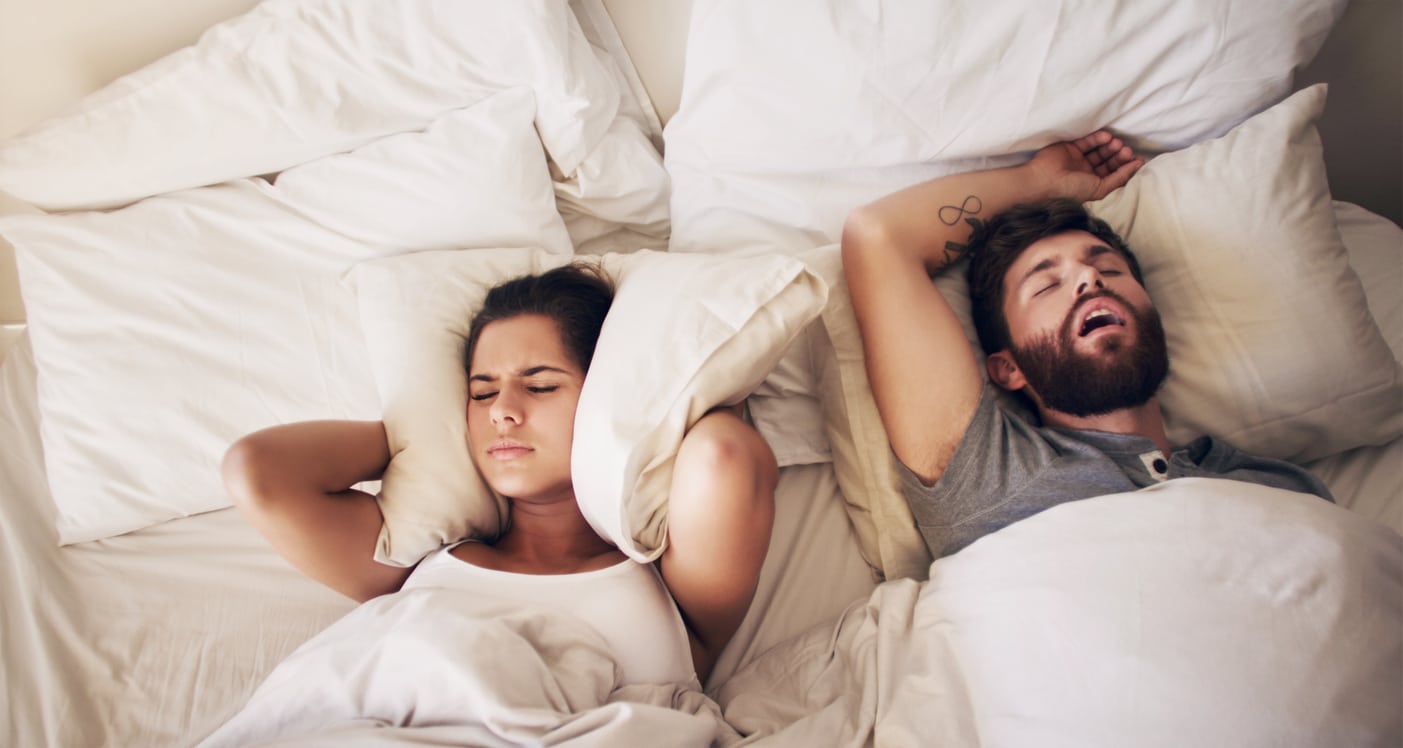
Sleep apnea often goes unnoticed because symptoms occur while you’re asleep. You or someone in your household might observe:
- Loud, frequent snoring
- Pauses in breathing during sleep
- Gasping or choking sounds at night
- Morning headaches or dry mouth
- Persistent daytime fatigue or difficulty concentrating
These symptoms don’t automatically mean you have sleep apnea, but they deserve attention, particularly when someone has witnessed breathing pauses.
How Sleep Apnea Affects Your Long-Term Health
Obstructive sleep apnea occurs when the muscles supporting your upper airway relax during sleep, allowing surrounding tissues to partially or completely block airflow. Your body briefly wakes enough to restore breathing, sometimes dozens of times per hour.
Beyond disrupting sleep, untreated obstructive sleep apnea is tied to increased risks of high blood pressure, cardiovascular disease, and stroke. Poor sleep can also affect your mood, memory, and ability to concentrate.
Recognizing these connections helps us understand how your oral structures and nighttime breathing may relate to your broader health.
How Can a Dentist Help With Airway Health?
Your dentist can identify anatomical and dental characteristics that may influence breathing during sleep. During an airway-related dental evaluation, we may consider:
- Your jaw position and bite alignment
- The space available for your tongue
- Signs of nighttime teeth grinding
- Your history of snoring, mouth breathing, or disrupted sleep
These findings can help identify concerns that warrant further investigation. Sleep apnea diagnosis typically involves a medical evaluation and sleep testing before treatment is recommended.
Oral Appliance Therapy for Sleep Apnea
For certain adults with obstructive sleep apnea, a custom oral appliance can help the airway stay open during sleep. These devices gently shift the lower jaw forward, reducing the likelihood of airway obstruction.
Dr. Ania’s practice features two dental sleep appliance options:
- MicrO2: A custom-milled appliance with a compact design that helps maintain space for the tongue.
- SomnoDent: A custom oral appliance that positions the lower jaw forward to support nighttime breathing.
These appliances may suit adults who struggle with CPAP or prefer an alternative recommended by their sleep physician. Dental follow-up and repeat sleep testing help assess treatment results.
Why Choose Dr. Ania Mohelicki for Sleep Apnea and Airway Health in Boulder?
 Dr. Ania has maintained a strong interest in sleep and airway health for more than two decades. She’s also a member of the American Academy of Sleep Medicine, reflecting her commitment to continued learning about sleep-related conditions.
Her philosophy extends beyond treating isolated dental concerns. Through biological dentistry, she considers how oral structures, dental materials, inflammation, and breathing relate to whole-body wellness. This perspective helps guide discussions about comfortable dental appliances and appropriate long-term care.
FAQs
Can an Oral Appliance Replace a CPAP Machine?
Sometimes. CPAP is frequently recommended for obstructive sleep apnea, particularly in severe cases. However, a sleep physician may recommend oral appliance therapy for adults who can't tolerate CPAP or prefer another option. Your diagnosis and medical history help determine the right treatment.
Can Children Have Sleep Apnea?
Yes. Persistent snoring, nighttime breathing difficulties, and daytime behavioral or concentration problems can indicate sleep-disordered breathing in children. Dr. Ania has a long-standing interest in airway health across age groups. A pediatrician or pediatric sleep specialist should evaluate children with suspected sleep apnea.
Can Sleep Apnea Appliances Change Your Bite?
Long-term oral appliance use can sometimes change tooth position or bite alignment. You might also experience temporary jaw soreness or increased saliva. Regular dental evaluations help identify these issues and determine when you need appliance adjustments.
Explore Your Sleep and Airway Health in Boulder
Restful sleep begins with understanding what’s interfering with your breathing. Dr. Ania Mohelicki, DDS, welcomes you to explore dental sleep apnea care in Boulder, CO. Call 303-443-0998 or contact us to discuss your concerns and available options.