

Is Chewing Gum Good for Your Teeth?
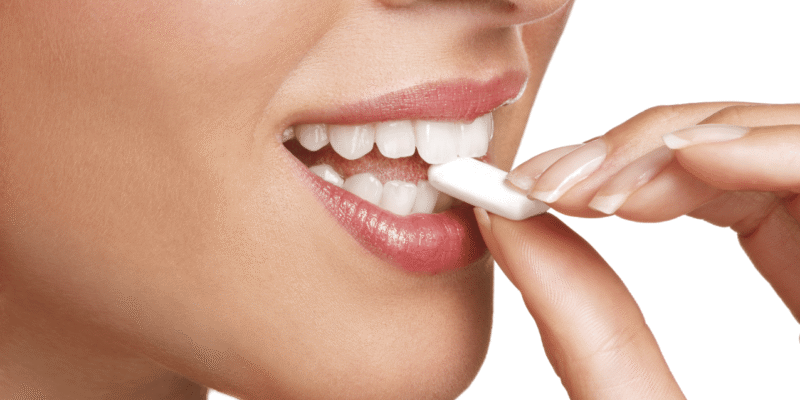
Chewing sugar-free gum can be good for your teeth, particularly after meals when you can’t brush right away. Chewing increases saliva flow, which helps dilute acids, rinse away some food debris, and support your mouth’s natural defenses against tooth decay. It works best as one small part of consistent periodontal and preventive dental care, not as a replacement for brushing, flossing, or regular dental visits.
Your oral health also tells us about more than individual teeth. Dr. Ania Cosmetic & Restorative Dentistry in Boulder, CO, considers oral health within the larger picture of wellness, including biological dentistry, neuromuscular function, and sleep. Dr. Ania Mohelicki has practiced dentistry since 1994 and belongs to several professional organizations, including the ADA, International Academy of Oral Medicine and Toxicology, and American Academy of Sleep Medicine.
How Does Sugar-Free Gum Help Your Teeth?
The main benefit of chewing gum comes from saliva. Chewing can increase salivary flow, helping neutralize acids produced by plaque bacteria. Saliva also supplies minerals that aid in tooth enamel maintenance and repair.
Choose sugar-free gum, preferably a product with the ADA Seal of Acceptance. Sugar-containing gum gives cavity-causing bacteria fermentable carbohydrates that can contribute to acid production.
Is Xylitol Gum Better for Your Teeth?
Xylitol is a sugar alcohol that oral bacteria don’t metabolize in the same way as regular sugar. Research, including this study published in the Journal of International Society of Preventive and Community Dentistry, suggests xylitol-containing sugar-free gum may reduce levels of Streptococcus mutans, a bacterium associated with cavities. However, xylitol shouldn’t be viewed as a way to reverse existing tooth decay.
|
Type of Gum |
Effect on Oral Health |
|
Sugar-free gum |
Stimulates saliva and may help reduce plaque acids and cavity risk |
|
Xylitol gum |
Sugar-free and may also reduce certain cavity-associated bacteria or plaque |
|
Gum with sugar |
Provides fermentable carbohydrates that oral bacteria can turn into acids |
|
ADA-Accepted sugar-free gum |
Has been evaluated for specific oral-health claims |
How Long Should You Chew Gum After Eating?
The recommendation is to chew ADA-accepted sugar-free gum for about 20 minutes after a meal. You don’t need to chew continuously throughout the day to gain oral-health benefits.
Can Chewing Gum Help With Dry Mouth or Bad Breath?
Sugar-free gum can stimulate saliva, which may temporarily relieve dry mouth, help wash away food debris, and freshen your breath. However, persistent dry mouth or bad breath deserves a closer look. Chronic dry mouth can increase cavity risk, and chronic symptoms may have several causes.
Can Chewing Gum Cause Jaw Pain?
Although chewing sugar-free gum has its benefits, frequent chewing isn’t right for everyone. Repetitive jaw movement may aggravate discomfort in people with temporomandibular disorders (TMD). The National Institute of Dental and Craniofacial Research specifically recommends reducing habits such as gum chewing when experiencing pain in the jaw joints or muscles.
Your dentist can also advise you about gum if you wear braces, retainers, dentures, aligners, or another oral appliance.
Can Gum Replace Brushing and Flossing?
Sugar-free gum can be useful between meals, but it doesn’t remove plaque as thoroughly as brushing and cleaning between your teeth. Think of it as a supplement to your daily oral-care routine rather than a substitute.
Take a Broader View of Your Oral Health
Small habits can affect your teeth, saliva, jaw comfort, and day-to-day well-being. Dr. Ania Mohelicki evaluates these connections through biological and wellness-based dentistry in Boulder, CO. To discuss specific symptoms or your preventive dental routine, contact us or call 303-443-0998.