

Color Changes to Your Gums
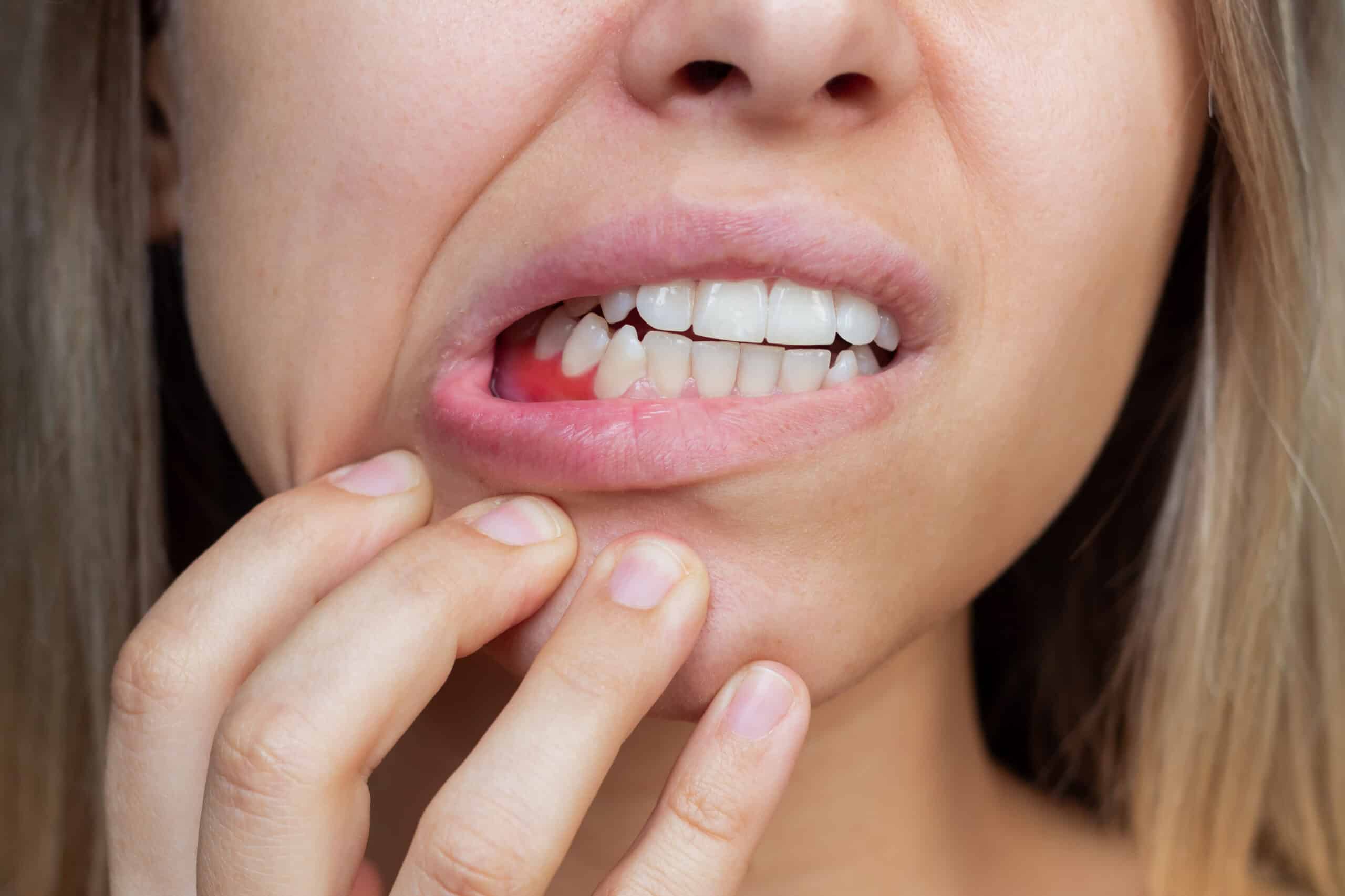
Your gums can naturally have more than one color. Healthy gum tissue may range from pink to brown or darker shades depending on your natural pigmentation. However, a new development, such as red areas, white gums around teeth, or a dark spot that wasn’t there before, sometimes points to irritation, inflammation, infection, or another health concern. Periodontal care helps determine what’s happening when changes don’t go away.
Dr. Ania Mohelicki has practiced dentistry since 1994 and earned her DDS from the University of Minnesota. Her work in Boulder, CO, includes biological dentistry and wellness-based dental treatment, with attention to how oral health relates to the rest of the body.
Why Are My Gums Two Different Colors?
Two different gum colors aren’t always a sign that something is wrong. Melanin, the pigment that gives skin and tissues their color, can cause natural variations from one part of your gums to another.
What matters most is whether the color is normal for you. A new patch, sudden darkening, persistent redness, or an area that keeps changing deserves a closer look.
Red, swollen gums can occur with gingivitis and may bleed when you brush or floss. Brown or darker areas might simply be natural pigmentation, while an isolated dark spot could have other causes, such as pigmentation near an older metal filling.
What Can Cause White Gums Around Teeth?
White gums around teeth can mean different things depending on whether the tissue looks generally pale or you’re seeing a distinct white spot or patch.
Possible causes include:
- Pale gum tissue: General paleness sometimes occurs with anemia or other medical issues.
- Canker sores: These can create small white or yellowish sores along the gums.
- Oral thrush: Yeast infections can cause white patches in the mouth.
- Leukoplakia: Persistent thick white patches should be evaluated by a professional.
- Temporary irritation: Dental work or minor trauma sometimes makes a small area look lighter for a short time.
White gums aren’t a typical sign of gingivitis. Gingivitis more commonly causes redness, swelling, and bleeding.
When Can Gum Color Signal Gum Disease?
Gum disease often changes the appearance of your gums. Early gingivitis can cause redness, puffiness, tenderness, and bleeding. As periodontal disease progresses, the gums may pull away from the teeth and create deeper spaces where plaque and bacteria collect.
Your gum health also matters beyond appearance. Dr. Ania’s wellness-based dental care considers how conditions such as diabetes and certain medications influence the gums, as well as how oral inflammation relates to broader concerns.
When Should You Have a Gum Color Change Checked?
A color difference that’s been present for years and hasn’t changed may simply be part of your natural pigmentation. It’s more important to have your gums examined when you notice a new or persistent change, especially alongside:
- Bleeding or swelling
- Pain or tenderness
- Gum recession
- A sore that doesn’t heal
- A new white, red, brown, or black patch
- Persistent bad breath
Discuss Gum Health in Boulder, CO
Dr. Ania Mohelicki can examine changes in your gum tissue and determine whether dental care or additional medical evaluation makes sense. Contact us at Dr. Ania Cosmetic & Restorative Dentistry in Boulder, CO, or call 303-443-0998.